
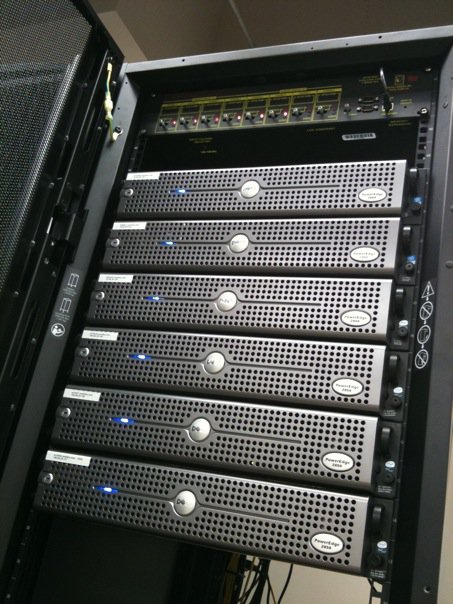
Cabling is one of those things nobody thinks about until it causes a problem, and by then it is usually a mess to fix. A little planning up front saves a lot of headaches later, whether you are wiring a new office or untangling one that grew organically over the years.
What “structured” actually means
Structured cabling means a network built to a consistent standard, with labeled runs, organized patch panels, and a layout that someone other than the person who installed it can actually understand. The opposite is a rat’s nest of cables added one at a time whenever something new got plugged in.
Why it affects more than just looks
Poorly organized cabling makes every future change slower and riskier. Finding the right cable to trace a problem, adding a new workstation, or moving a desk all take longer when nothing is labeled or documented. It also makes intermittent issues, like a flaky connection, much harder to diagnose.
It affects performance, not just organization
Cable quality, length, and how bundles are run all affect network speed and reliability. Cheap cable run alongside power lines or bent past its rating can cause slowdowns and dropouts that look like a software problem but are actually a physical layer issue.
Plan for growth, not just today
Running a few extra drops during a build-out costs far less than adding them later, after walls are finished and furniture is in place. Thinking ahead about where new desks, access points, or cameras might go saves a lot of retrofitting down the road.
When it is worth bringing in help
A single home office does not need enterprise-grade cabling. But any office with more than a handful of devices, or any business relying on POS systems, cameras, or Wi-Fi coverage across a larger space, benefits from a proper design instead of ad hoc additions over time.
Dealing with a tangled setup?
Get an Assessment
Leave a Reply